
 Back to Water
The Thames Tideway Tunnel (TTT) is a major new sewer in London, following the Thames river from Acton in West London to Stratford. At 25 kilometres long, up to 65 metres deep and 7 metres in diameter, the tunnel is the largest infrastructure project undertaken by the UK water sector since privatisation. Construction of the tunnel started in 2015 and took 9 years to complete, becoming operational in February 2025.
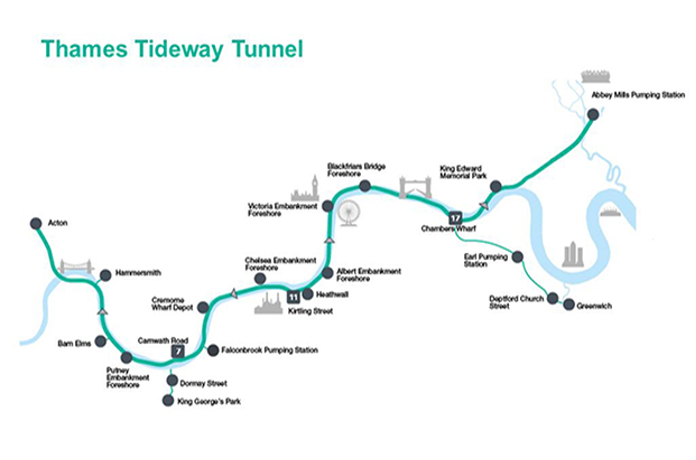
London’s original sewage system – designed by Joseph Bazalgette in the 1860s – was built to accommodate the wastewater and sewage needs of around 4 million people. However, since the population of London has grown so significantly since then, even a moderate amount of rainfall would mean that sewage could, as was designed, overflow into the Thames; up until recently around 39 million tonnes per year.
Tideway has been delivered differently. Its innovative funding model encourages long-term, low-cost private sector investment in critical infrastructure. With government support in place, Tideway has been able to secure competitive financing, keeping costs to customers down – while more than two million pensioners have an indirect stake in the project. It is now being touted for future infrastructure projects in both water and other sectors.
Tideway was the first project delivered under the Specified Infrastructure Project Regulations and has various unique features that has contributed to its success. Tideway’s shareholders initially provided £1.3bn in order to get the project underway. Later, additional capital was secured via the markets to allow construction to start, with debts repaid by Thames Water bill payers over a long time horizon. Tideway raised £3.3 billion in long-term debt to build the Thames Tideway Tunnel, with a significant portion of it as inflation-linked debt. It also attracts long term investors like pension funds, who need exposure to inflation to match their liabilities. Tideway was a pioneer of green financing in the UK having raised more than £2 billion in green bonds and loans since 2017.
Before work started, it was estimated that the project would cost customers between £20-£25 per year (in 14/15 prices) and the final cost remains well within that range.
